When Lisa pulled into her driveway on Halloween night, she felt a dull throb behind her upper left molar. She had helped her daughter trick-or-treat through Crabapple, sampling a few Halloween treats along the way. She’d eaten a sticky caramel apple half by half throughout the evening. By the time she got home, the ache had sharpened into something she couldn’t ignore.
Inside, her daughter chattered excitedly about candy, costumes, and ghost stories. But Lisa sat quietly, clutching an ice pack, wondering what she had done to her smile in the name of a few sweets. She thought, Maybe this is nothing… or maybe I just damaged a tooth. The uncertainty gnawed at her.
The Dilemma: Candy vs. Consequence
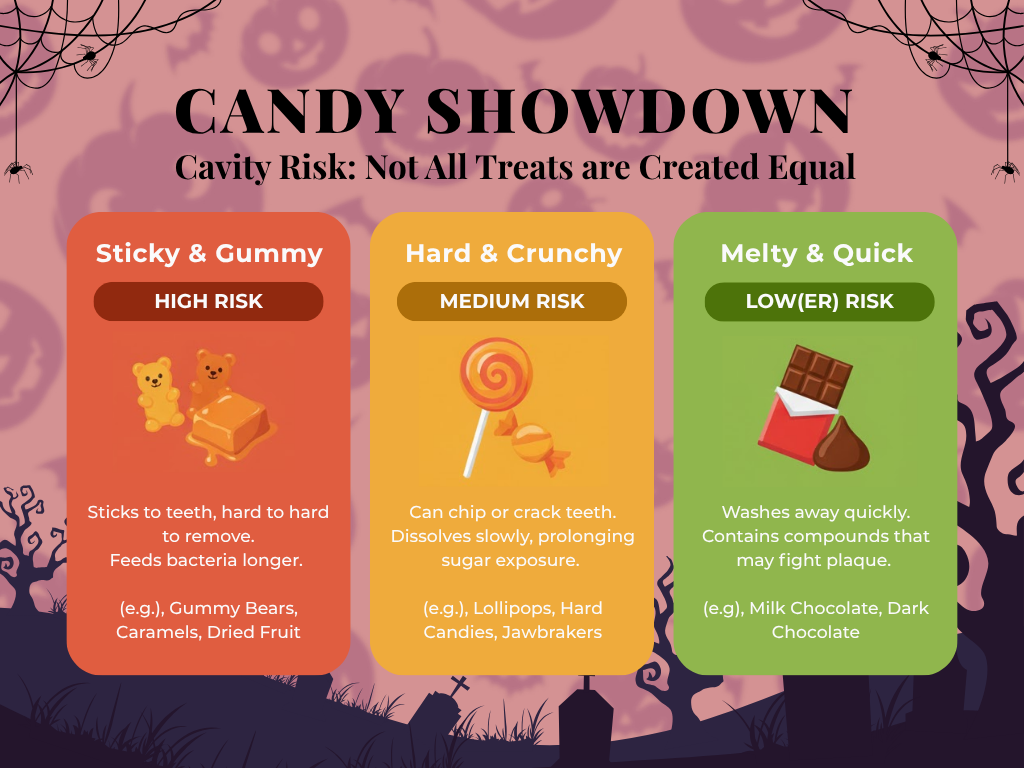
Lisa’s choice that evening—sampling treats while on-the-go—mirrors what many adults do during Halloween. It seems harmless: a bite of caramel here, a chew of gummy candy there. But sticky and acidic candies linger, bathing enamel in sugar and acid longer than chocolate or fast-dissolving sweets.
As Lisa weighed whether to call her dentist, her mind ticked through several questions:
- What exactly is happening underneath that ache?
- Could a crown or filling fix it, or is it worse?
- How much will it cost?
- Can I salvage my tooth without an emergency trip?
Her anxiety wasn’t just about pain—it was about time, money, and the fear that she might lose a tooth.
What Candy Does to Your Teeth (Through Lisa’s Lens)
Sticky Monsters: The Caramel Trap
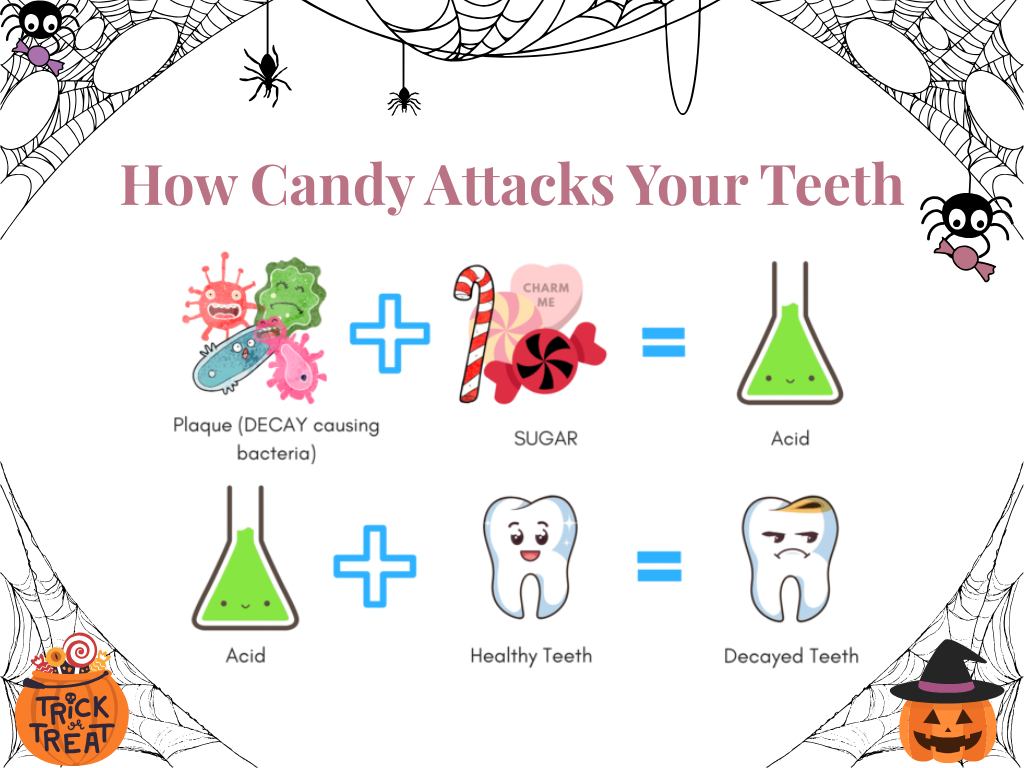
When you chew sticky goodies like caramel apples or chewy taffy, sugar clings to the grooves of your teeth and in between surfaces. It lingers long after the candy is swallowed—and those sugar remnants feed decay-causing bacteria. That’s exactly what Lisa did: half a caramel apple over 20 minutes, allowing sugar to saturate her enamel.
Acid Attack: Sour and Hard Candies
Sour candies deliver a double punch—acid plus sugar. They soften enamel, and if you brush too soon, you risk brushing off softened enamel. Hard candies (like lollipops or jawbreakers) dissolve slowly, extending exposure time. One dentist estimated emergency visits spike by up to 80% around Halloween due to cracked teeth, dislodged fillings, or pain from cavities aggravated by candy consumption.
Chocolate Is the Lesser Evil
Dark or milk chocolate dissolves faster and doesn’t stick as much, which means less contact time with teeth. If you must indulge, chocolate is a comparatively safer choice.
The Hidden Cost: Sugar Grazing
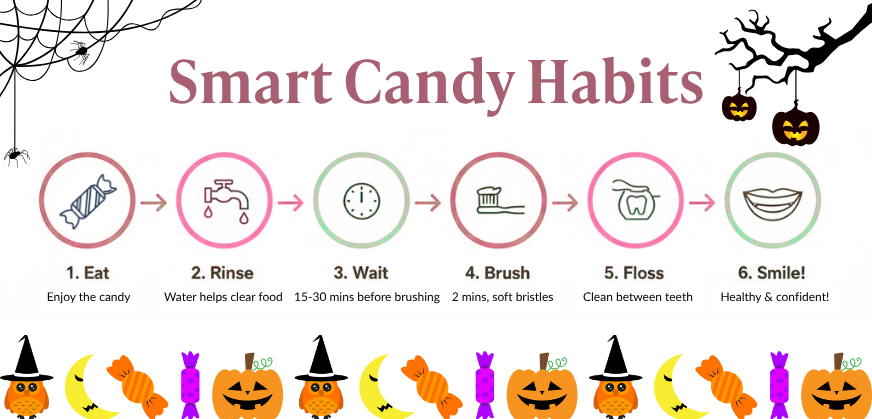
Sampling candy bit by bit over hours allows repeated acid attacks throughout the night. The more you nibble, the more recharge time you give bacteria. A better strategy: choose a few candies right after a meal when increased saliva flow helps neutralize acids.
Lisa’s Journey to Relief and Renewal
That night, Lisa woke up at 2 a.m. with a sharp spike of pain. She rang the office—Method Modern Dentistry was able to squeeze her in first thing in the morning.
At her appointment, Dr. Alex Franco conducted a quick exam and digital X-rays. She confirmed that a tiny crack had formed in a tooth that already had a small filling. The sugar-lingered enamel had weakened the margins, and the repeated acid attacks undercut the bond.
She had two options:
- Temporary relief + monitoring — a resin repair and close checkups
- Permanent repair — a new crown that would protect the tooth long-term
Lisa was nervous about the idea of a crown, but Dr. Franco walked her through every step. “Think of it as a helmet for your tooth—one that preserves all your bite function without loss of strength,” he said.

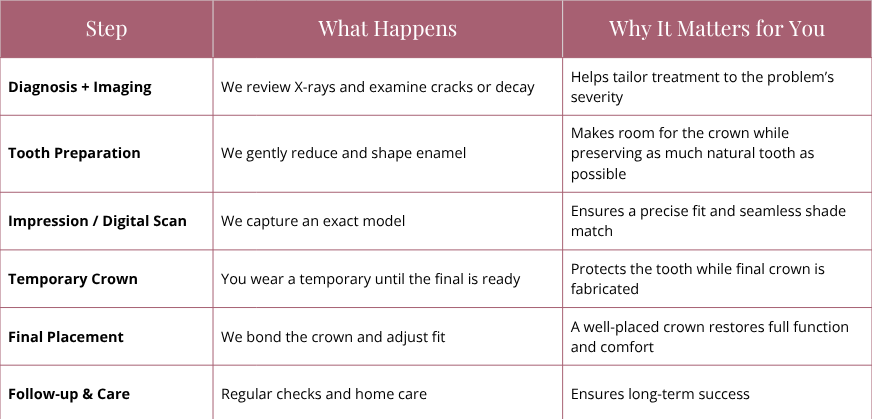
She chose the crown route. Over two visits, the tooth was prepared, a digital impression made, and the final custom crown placed. Within days, the pain subsided and Lisa told us, “It’s like the tooth never knew anything was wrong.”
Emotionally, she felt a wave of relief—not just from the physical pain, but from the fear that she might lose something she’d taken for granted.