On the Wednesday before Thanksgiving, Lauren did everything right. She packed the kids’ pajamas, thawed the cranberry sauce she swears tastes better than homemade, and took the dog to the sitter. By the time the sweet, buttery smell of roasted pecans filled her parents’ kitchen in Milton, she finally let herself relax. Then, during the first test slice of pie, a dull jab pulsed through her lower right molar—quick, like a pinched nerve, then gone. She chewed on the other side and pretended not to notice.
By Thursday afternoon, it wasn’t pretending anymore. A forkful of turkey felt fine. One bite of candied pecans sent a sharp zing that made her put the fork down. Great, she thought, three days off and now this tooth wants attention. She did that thing we all do: the tiny tongue nudge, the gentle “test bite,” the mental bargaining. Could she ride it out? Was she overreacting? Would calling a dentist on a holiday feel like making too big a deal?
If you’ve ever had a tooth pipe up right when the table is full and everyone’s watching the rolls, you’re not alone. This is the season of surprise cracks, stubborn sensitivity, and the kind of sticky sweets that find every vulnerable corner. The good news is you can still enjoy your Thanksgiving—with comfort and confidence—once you understand why these pains flare and what actually helps.
What’s Really At Stake (And It’s Not Just A Tooth)
It’s the small joys: the first bite of your aunt’s pecan pie, the way your turkey sandwich tastes on Friday, laughing without pressing your tongue against the sore spot. Pain steals attention. It turns every plate into a strategy puzzle—left side only, nothing crunchy, sip water first. Our goal is to hand your attention back to the people in front of you and the food you love, while protecting the long-term health of your teeth.
Why Thanksgiving Can Trigger Tooth Pain
Sticky, crunchy, cold, sweet—your mouth’s obstacle course
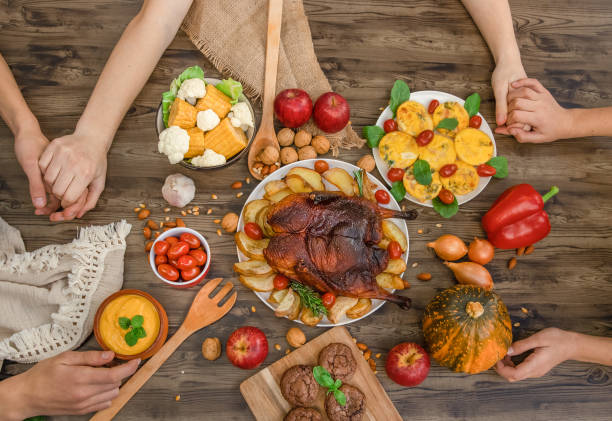
Holiday plates stack contrasting textures: crisp green beans, chew-heavy turkey, sugar-dense desserts, ice-cold drinks. If a tooth or its supporting ligament is on the edge—slightly inflamed, slightly cracked, or slightly high in the bite—those contrasts reveal the weak link.
Stress and sleep
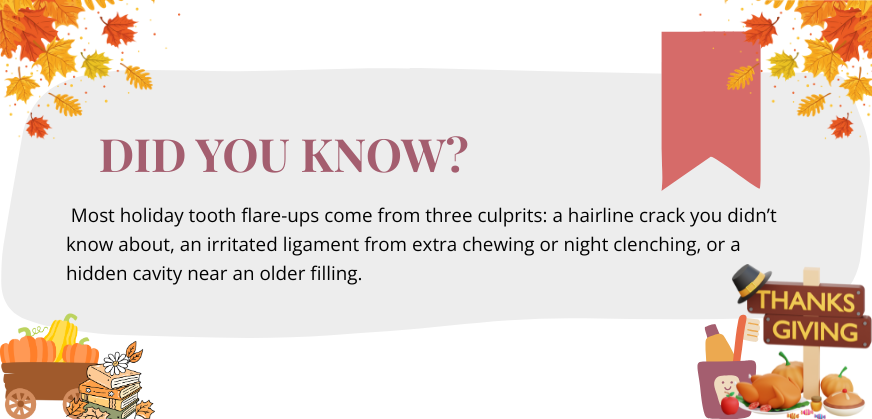
A full house, travel, and big emotions can mean clenched jaws at night. Clenching loads your teeth like a weight rack—especially the molars—so a minor high point or older filling becomes a tender target.
“I’ll catch up in January” dentistry
It’s common to push routine care to the new year. That small twinge from October? Two months later, candied nuts turn it into a headline. Don’t feel bad; it’s human. Just know there’s a better path.
Lauren’s Quiet Fork-in-the-Road
After the second zing, Lauren did something brave. She stepped into the pantry, took a breath, and let herself admit: This isn’t in my head. When she messaged us, we had a plan by the time the gravy cooled. And that’s the pivot point for most people—the moment you trade guessing for guidance.
If that’s you today: We set aside time for urgent visits around the holidays because life doesn’t schedule dental issues. Start here so we can triage and prioritize comfort: Emergency Dentistry.
What That Bite-Down Pain Really Means
1. The quick zap that vanishes
Sharp pain on pressure that fades when you release is classic for a flexing cusp—often a thin crack. Picture a door with a loose hinge: push, it shifts; let go, it settles. A well-fitted dental crown or sometimes a conservative onlay acts like a seatbelt so the crack can’t open with every chew.
2. The bruise-like throb
If you’ve bitten something hard recently or clenched overnight, the ligament that suspends the tooth can get irritated. Biting feels sore, but temperature isn’t dramatic. A precise bite adjustment and a few days of gentler chewing often calm it. If clenching is a pattern, a custom nightguard protects your teeth during the most stressful week of the year.
3. The stubborn sweet sting
If sweets or cold cause a spark that lingers, you may have a cavity near the contact or an older filling that’s leaking at the edge. Sugar sneaks in; the tooth sends a signal. Treatment depends on how much healthy structure we can preserve: a bonded filling for small areas; a crown when strength and seal matter most.

First-Aid Moves That Actually Help (And What To Skip)
- Rinse and reset. Warm water swish clears crumbs from tiny grooves and calms tissues.
- Protect sharp edges. If a cusp chipped and feels rough, a dab of orthodontic wax can soften it until we see you.
- Use ice smartly. Cold on the cheek in short intervals reduces swelling. Avoid putting ice on the tooth itself.
- Pain meds with food. Over-the-counter options can help you enjoy dinner, but take with a snack and water to protect your stomach.
- Skip hard tests. Don’t “prove” it doesn’t hurt by biting a pecan again. Your tooth isn’t bluffing.
- No DIY glues. Temporary cements and household adhesives cause more harm than help. Save any broken piece; we’ll handle the rest.

What Happens When You Come In (And Why It’s Calming)
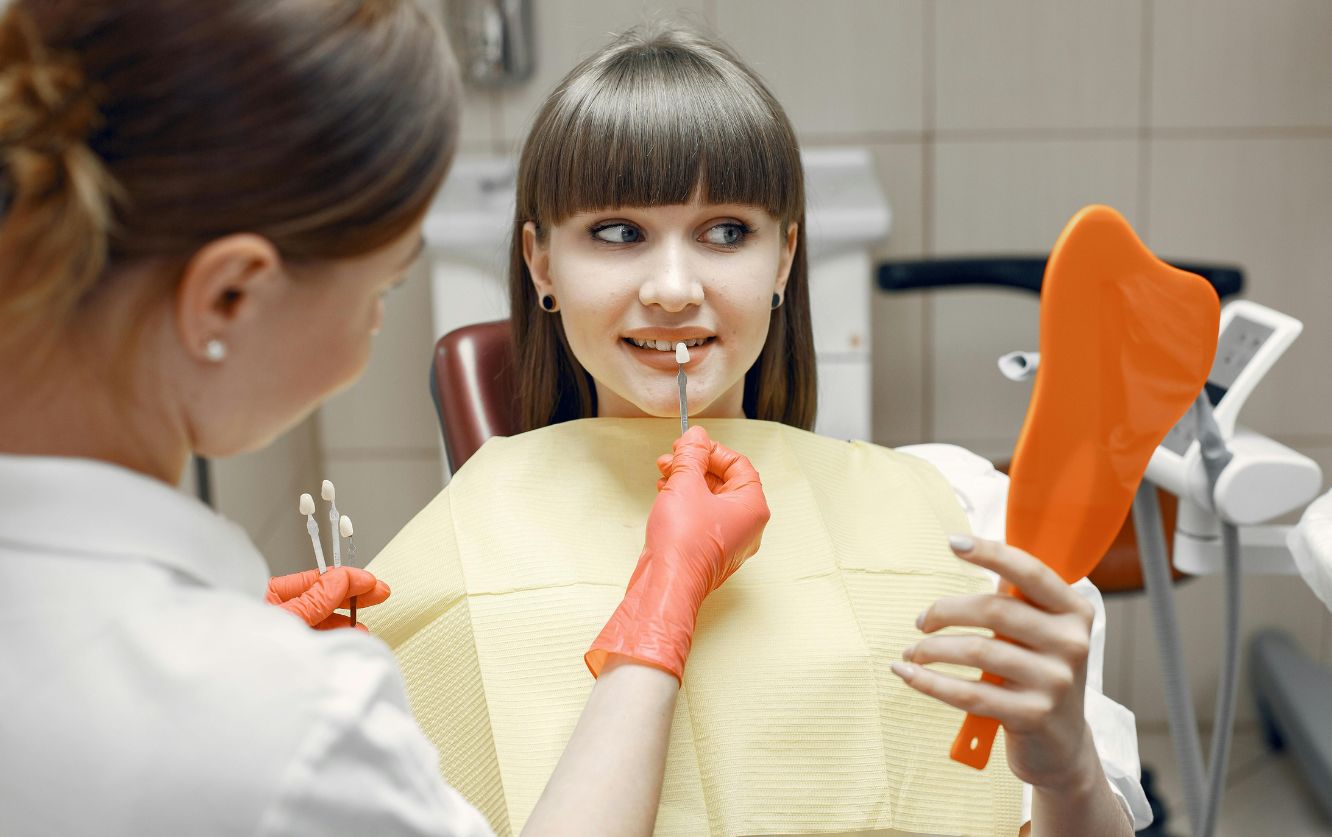
We start with a conversation—when did this start, what foods set it off, any recent work—then we gather a few targeted clues. Light taps check the ligament; thin paper shows which cusp is bearing the load; a brief temperature test tells us how the nerve is feeling. Often, we’ll take magnified photos so you can literally see what we see. The path forward becomes obvious together: polish a high spot, stabilize a cracked cusp, treat decay conservatively, or—rarely—map a replacement if the tooth can’t be predictably saved.
When stabilization is step one, we make sure you leave comfortable: smoothing a rough edge, placing a protective temporary, or balancing the bite so chewing feels normal again.
The Menu, Decoded: How To Eat Well Without Flinching
- Turkey & proteins - Shred or slice across the grain and moisten with gravy. Chew on the comfortable side if one area is tender.
- Sides - Mashed potatoes, roasted carrots, and soft rolls are friendly; raw carrots or crisp sourdough might be pushy for a day.
- Desserts - Pie is usually fine if nuts are chopped small. Sticky toffees and hard brittle are where chips and cracks like to happen.
- Drinks - Ice water can trigger sensitivity; room-temp water is kinder. Red wine and cranberry sauce stain—rinse with water right after if a bright smile matters for photos.

Lauren’s Turning Point (And How The Story Ends)
Her exam showed a hairline crack along the outer cusp—no drama on cold, but a quick zing on bite pressure. We polished the bite to take stress off the area and placed a protective temporary that kept the crack from flexing. Dinner was back on. The following week, after the family flew home, we seated a ceramic crown that matched her natural shade. At the check a month later, Lauren said, “I forgot which tooth it was until you asked.” That’s the measure of success: steady comfort that lets you forget about your teeth and focus on everything else that makes the season good.