1. How long do dentures last?
With proper care and regular dental check-ups, dentures can typically last 5 to 10 years. Over time, they may require adjustments or relining due to natural changes in your mouth and jawbone structure. Regular professional evaluation ensures their longevity.
2. Will dentures affect how I speak?
Yes, initially, new dentures can temporarily affect your speech as your tongue and mouth muscles adapt. Practicing reading aloud and repeating challenging words can help accelerate the adjustment period. This phase usually passes within a few weeks.
3. Can I eat normally with dentures?
While you can eat most foods, it's advisable to start with soft items and gradually reintroduce tougher foods. Cutting food into smaller pieces helps, and avoiding very sticky or hard foods can prevent damage to the dentures. Patience is key during this transition.
4. Are implant-supported dentures more expensive?
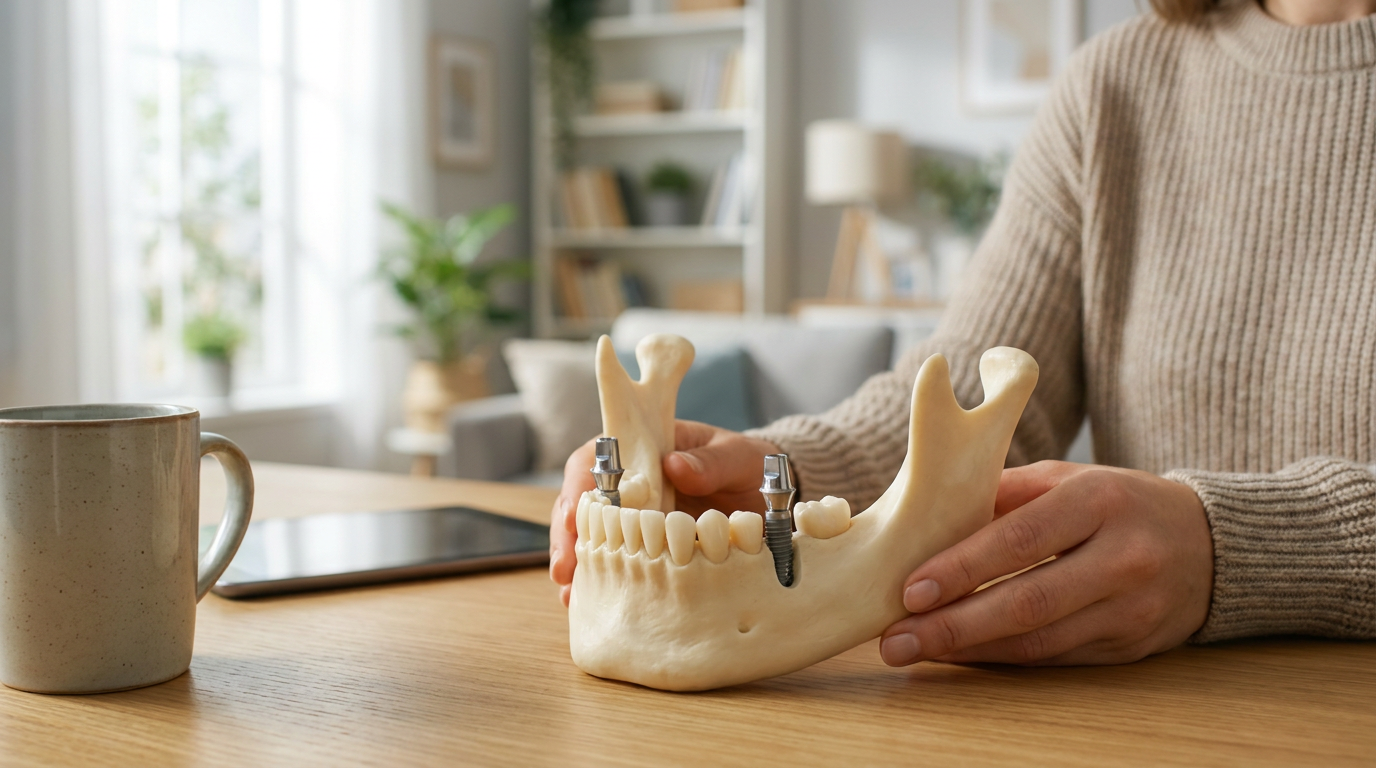
Generally, implant-supported dentures have a higher initial cost due to the surgical placement of dental implants. However, many patients find the enhanced stability, comfort, and bone preservation benefits make them a worthwhile long-term investment. Single tooth implants also contribute to overall oral health.
5. How do I clean my dentures properly?
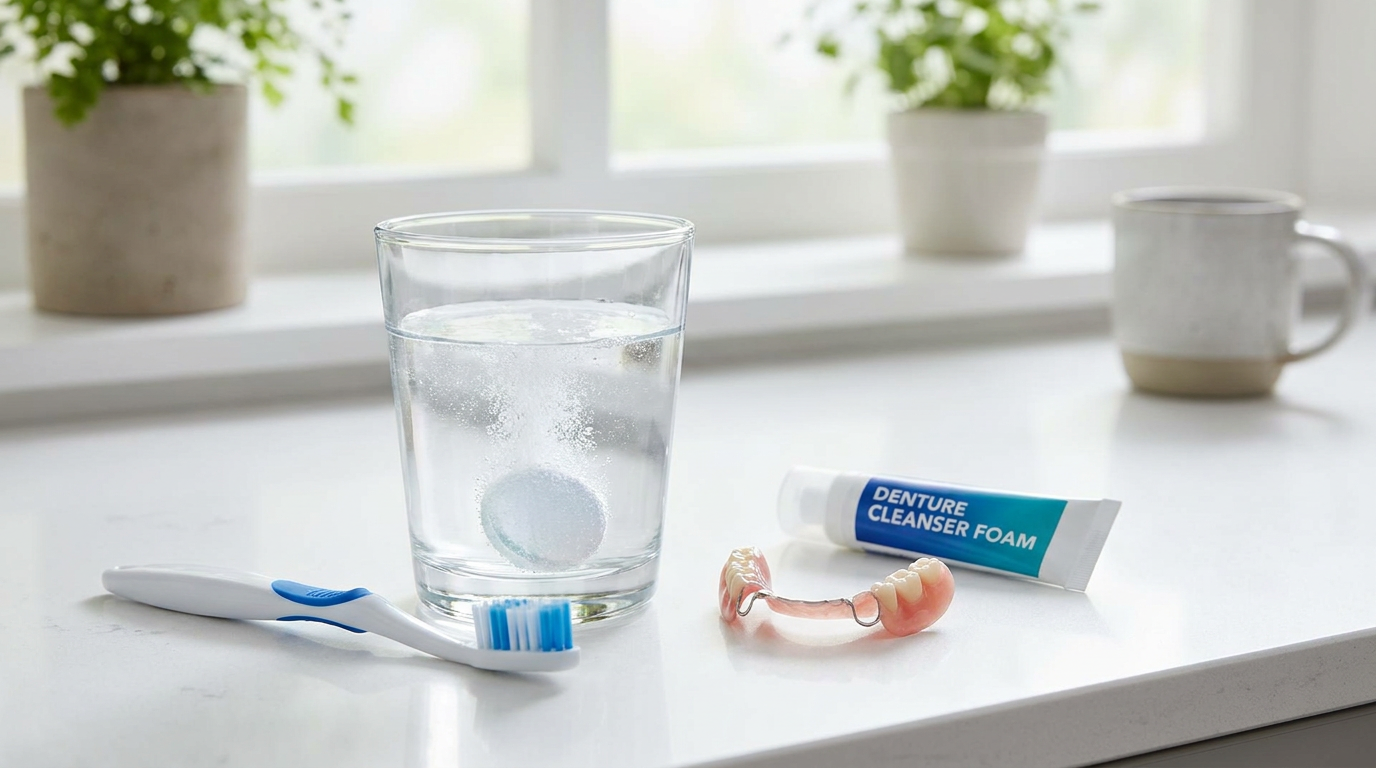
Dentures should be brushed daily with a soft-bristled brush and non-abrasive denture cleanser, not regular toothpaste, which can be too abrasive. They should be rinsed after meals and soaked overnight in water or a cleaning solution to keep them moist and disinfected.
6. Will my dentures look natural?
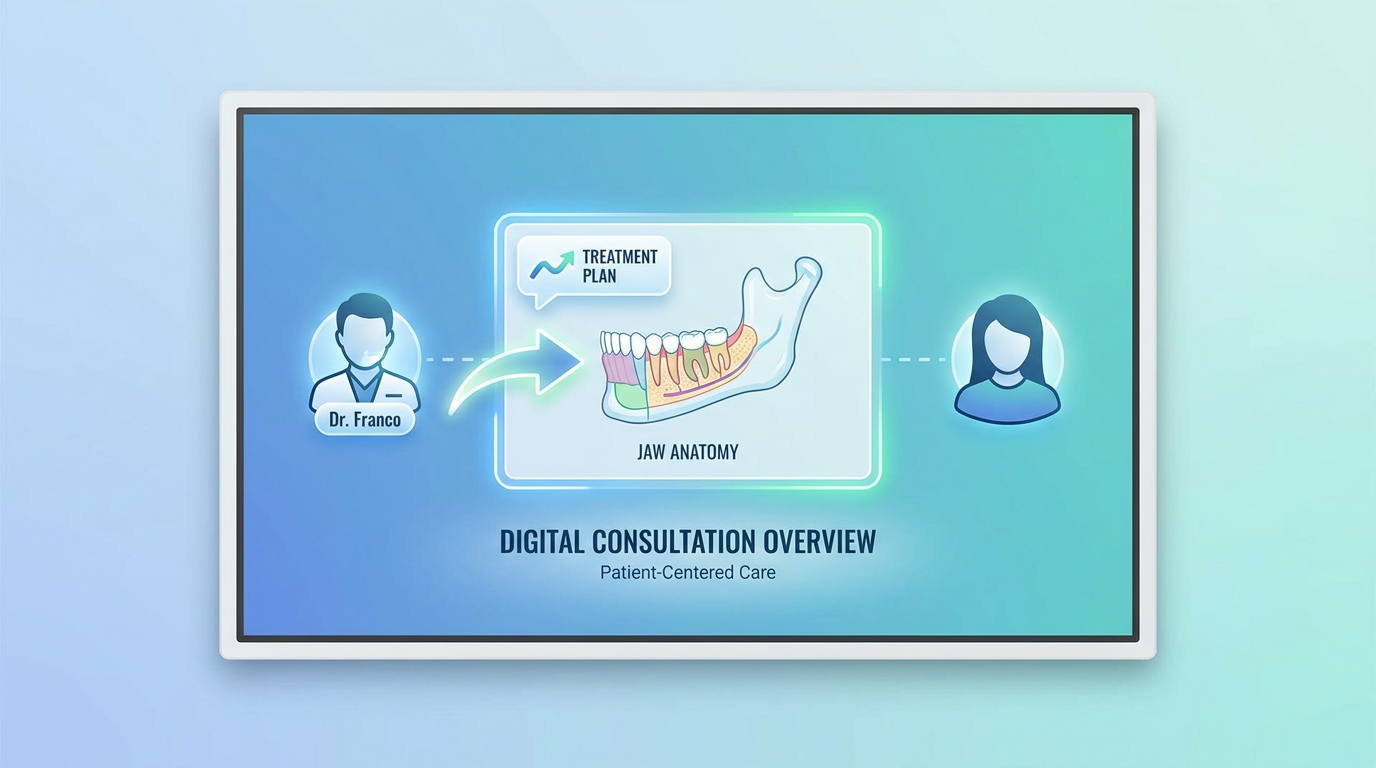
Modern dentures are custom-made to match your facial features, gum color, and remaining natural teeth if applicable. Dr. Alex Franco works diligently to design dentures that look highly natural, providing a comfortable and aesthetically pleasing result that blends seamlessly with your smile.