Back to Blogs

Choosing the Right Dentures for Your Lifestyle

Modern custom dentures can restore comfortable chewing and natural smile aesthetics tailored to your daily lifestyle.

November 3, 2026
•
2 min read
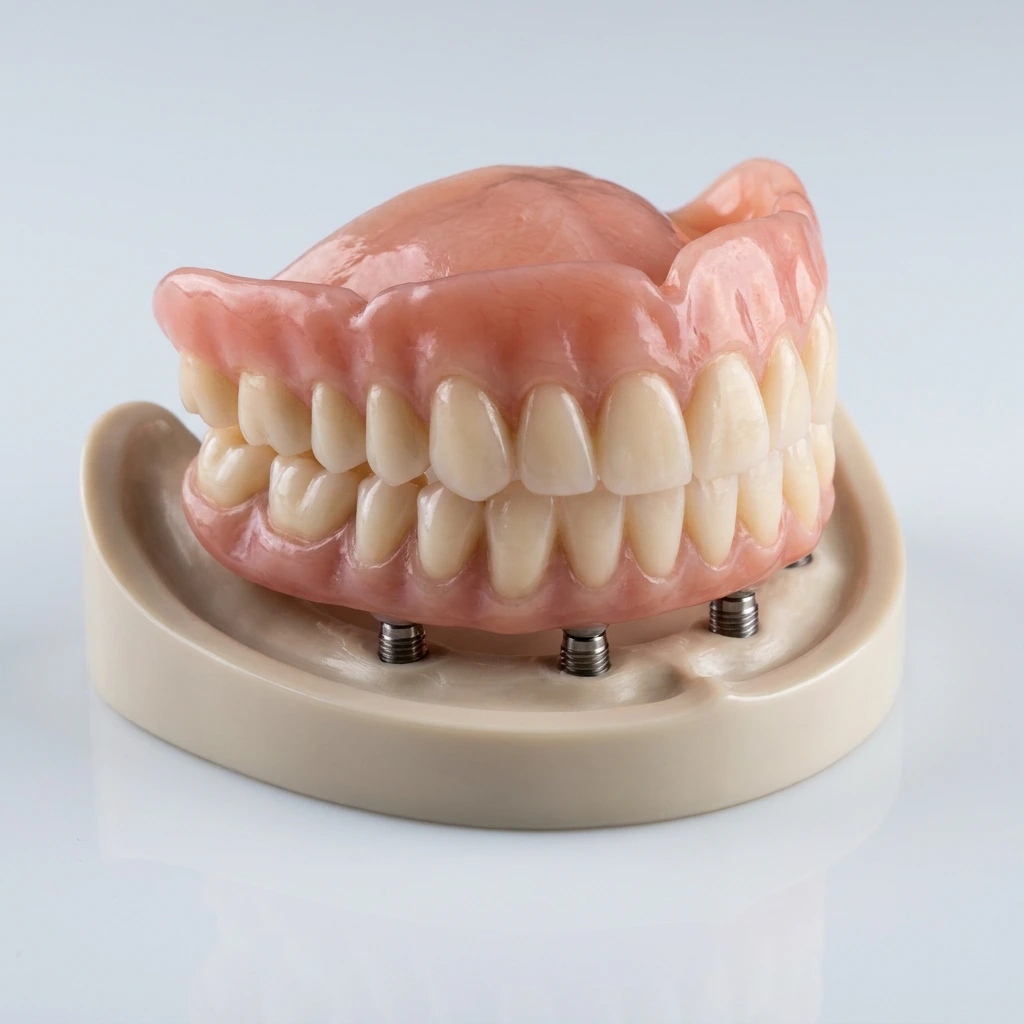
A full upper denture rests against an implant-supported lower dental arch mounted on a beige base over a reflective white surface.
Back to Blogs

Choosing the Right Dentures for Your Lifestyle

A full upper denture rests against an implant-supported lower dental arch mounted on a beige base over a reflective white surface.

Modern custom dentures can restore comfortable chewing and natural smile aesthetics tailored to your daily lifestyle.

November 3, 2026
•
2 min read

Modern Tooth Replacement for Everyday Living

Finding the right prosthetic teeth begins with evaluating daily habits, comfort goals, and oral health needs. Modern dental solutions can restore chewing stability and natural aesthetics, helping people speak and smile with confidence.

Many adults today explore personalized denture options, seeking designs tailored to active routines.

Ashley, an active professional in her early fifties living in Alpharetta, found herself hiding her smile after losing several posterior teeth. The shifting bite began affecting how she enjoyed dinners with friends and spoke during workplace presentations.

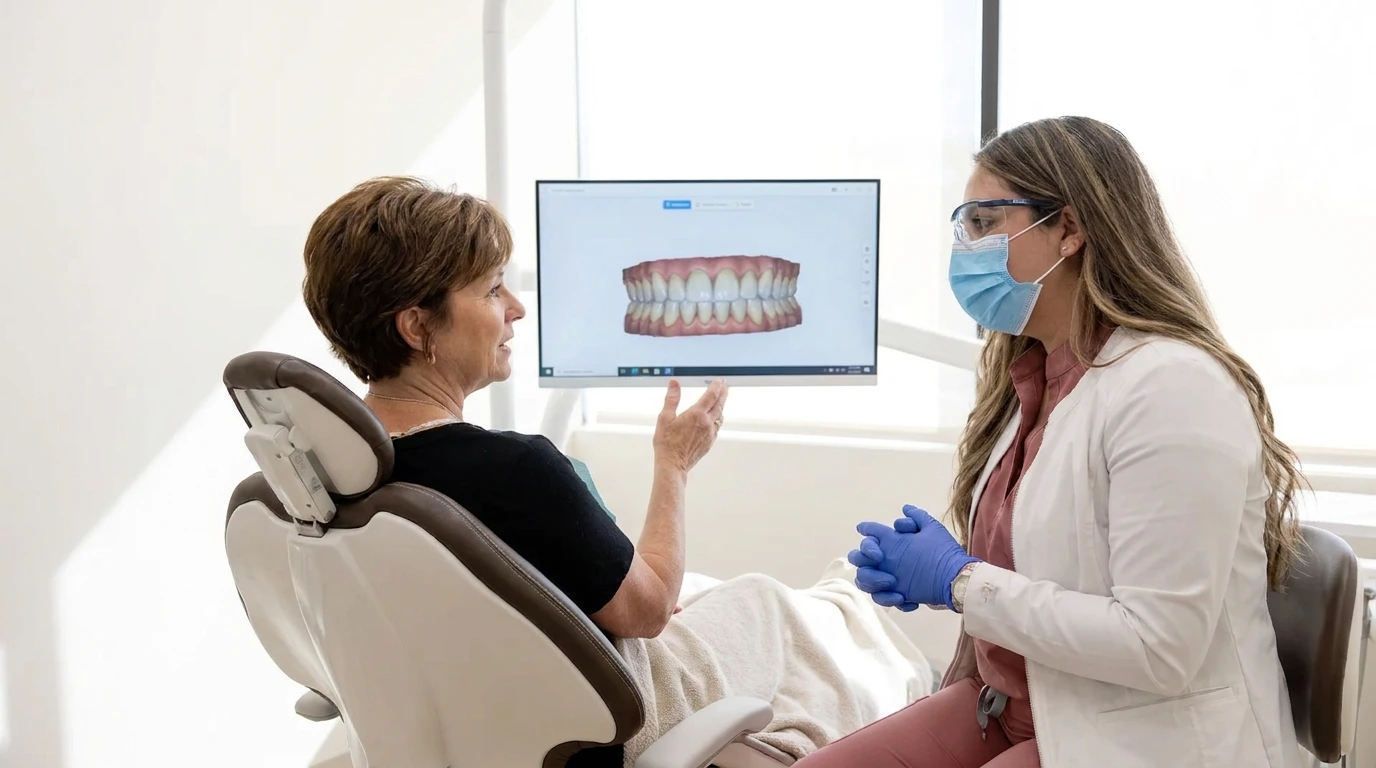
Hoping to restore her confidence, Ashley scheduled a consultation to discuss dentures designed to support her busy life. Dr. Alex Franco reviewed her oral anatomy to help determine which prosthetic design would best suit her daily demands.

A patient in a dental chair speaks with Dr. Franco, who wears a lab coat, mask, and gloves, in front of a monitor displaying a 3D scan of teeth.

What Denture Options Are Available Today?

Patients can choose between removable partials, conventional complete arches, and implant-retained designs depending on the number of missing teeth. Today's dental appliances use lightweight, gum-colored bases and lifelike ceramic or resin teeth to recreate a natural appearance while prioritizing functional stability.

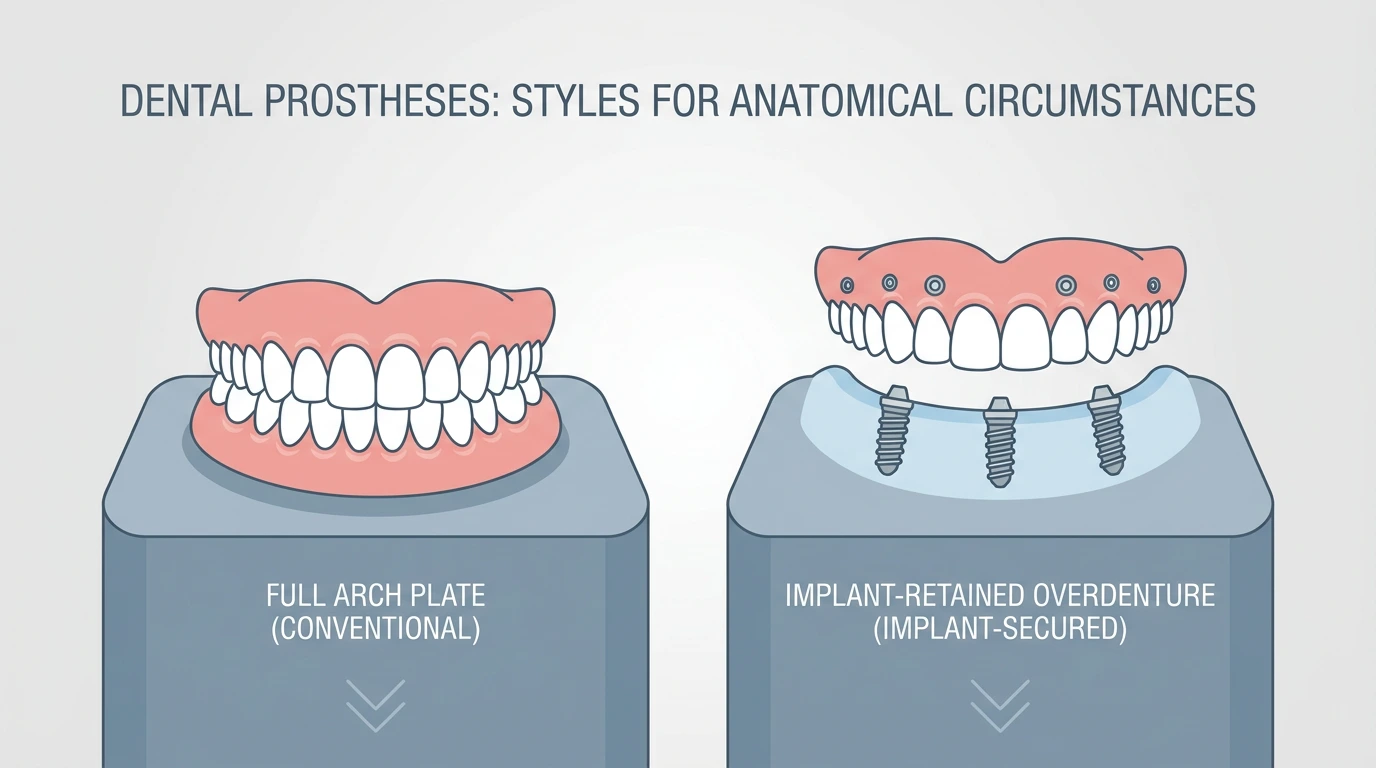
Ashley learned that each style caters to distinct anatomical circumstances:

  • Partial dentures, which fill spaces left by scattered missing teeth while anchoring securely to adjacent healthy teeth.
  • Full dentures, which replace an entire upper or lower arch of natural teeth using suction and tissue support.
  • Implant-supported dentures, which connect securely to titanium posts anchored in the jawbone for added stability.

During the evaluation, Dr. Alex Franco explained that preserving healthy bone and remaining natural teeth remains the guiding factor when selecting a design. Ashley appreciated discovering that tooth loss did not mean sacrificing comfort or social ease.

Illustrations compare a conventional full arch denture on the left to an implant-retained overdenture supported by dental implants on the right.

How to Choose Dentures for Your Routine

Selecting a dental prosthetic requires balancing convenience, dietary preferences, speech patterns, and personal maintenance habits. People who travel frequently or lead vigorous athletic lives often desire greater retention than conventional suction provides.

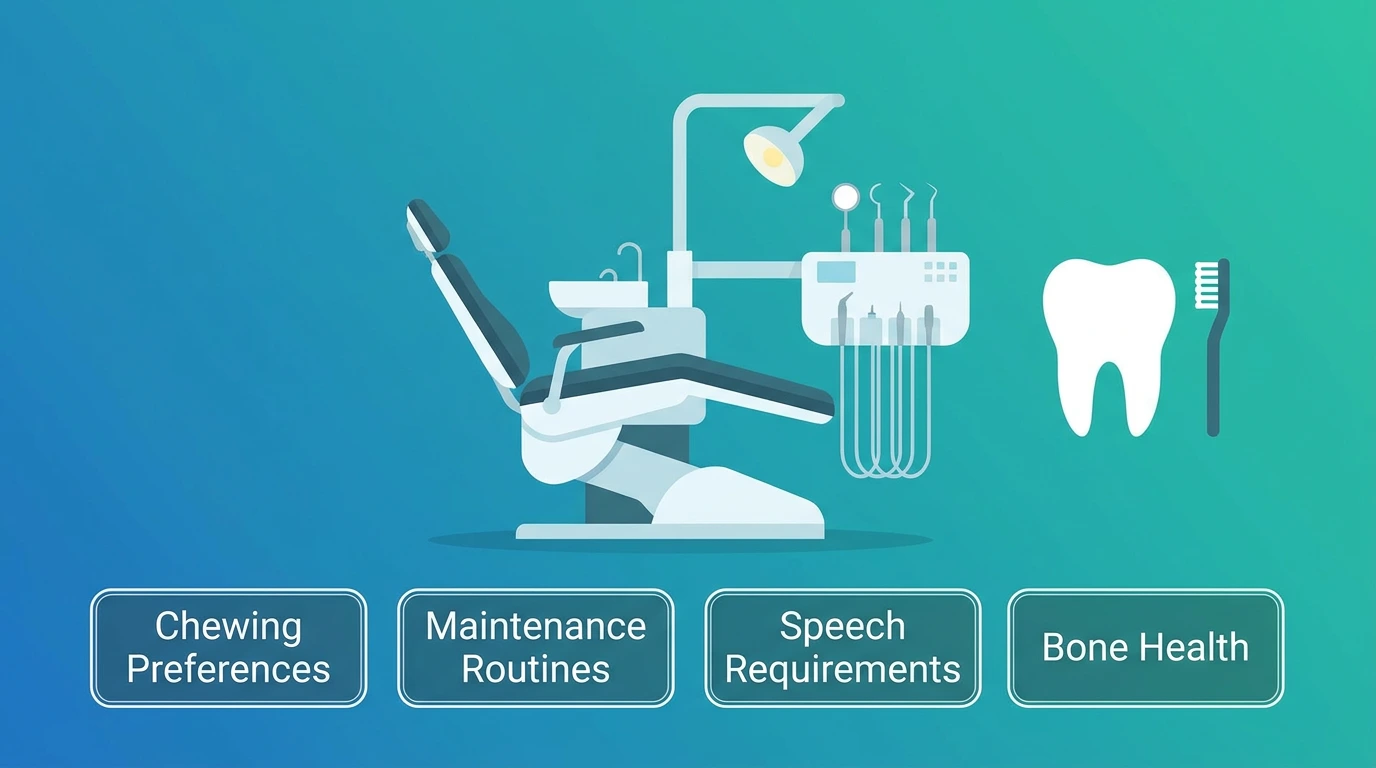
When helping Ashley navigate her decision, Dr. Franco outlined several lifestyle considerations:

  • Chewing preferences, determining whether a patient wants to bite into firm foods without appliance movement.
  • Maintenance routines, assessing whether daily removal for soaking and cleaning matches one's lifestyle.
  • Speech requirements, evaluating how tongue space and roof-of-the-mouth acrylic coverage may influence voice clarity.
  • Bone health, checking if the jaw has retained sufficient density to support resting appliances or single tooth implants.

Ashley realized her love for outdoor dining and speaking engagements meant she needed a secure bite fit that eased her worry about unexpected slippage during conversations.

Illustrated guide to choosing dentures with four factors: chewing preferences, maintenance routines, speech requirements and bone health.

Comparing Partial Dentures and Full Arches

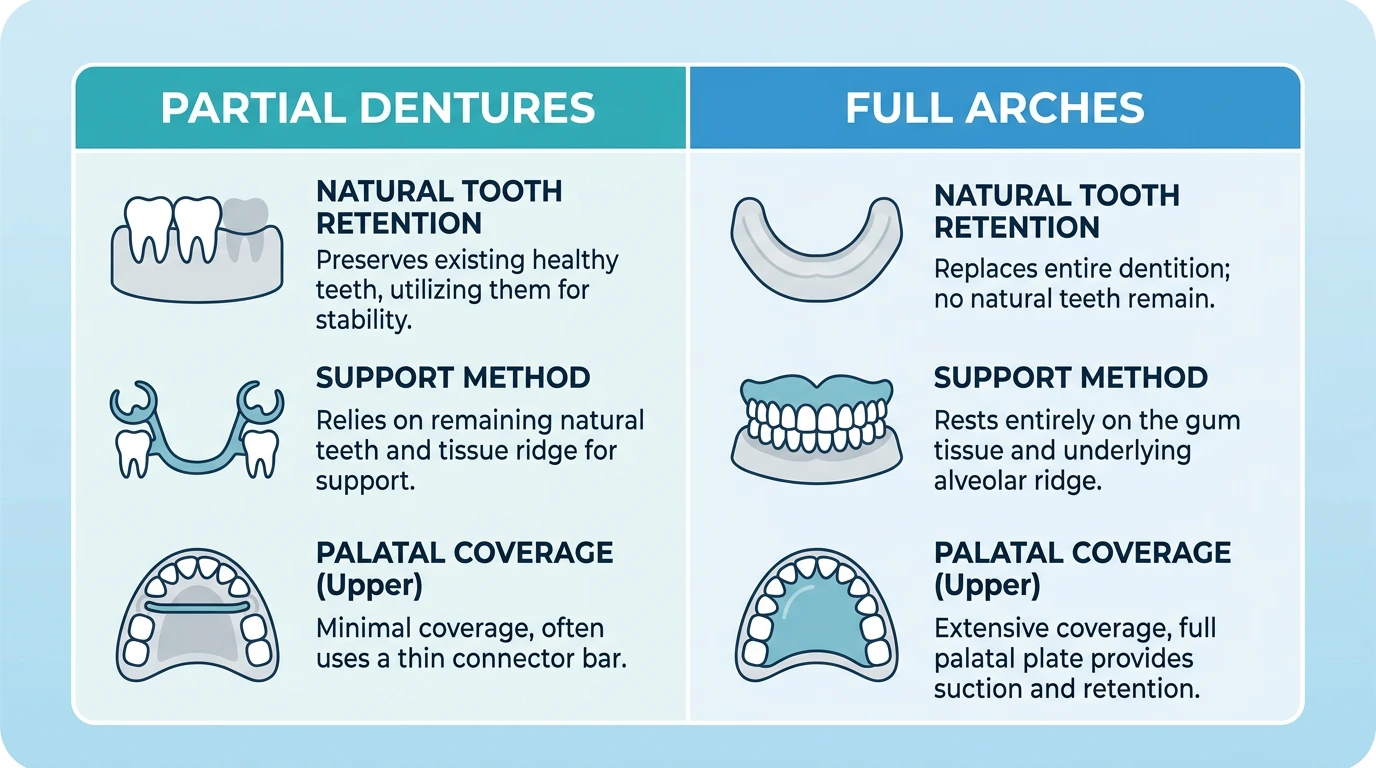
Removable appliances vary significantly depending on whether some healthy teeth remain in the arch. Partial appliances use discreet metal or flexible clasps to rest against remaining natural structures, helping prevent neighboring teeth from drifting out of alignment.

Complete prosthetics replace an entire dental arch and rest directly upon the alveolar ridge. For upper arches, conventional plates cover the palate to create suction, which can take a brief adjustment period for speech and taste perception.

Ashley still possessed sound anterior teeth, which made preserving her natural enamel an immediate priority. Dr. Franco noted that protecting remaining natural teeth with ongoing preventative care helps keep partial appliances functioning well over time.

A comparison infographic contrasts partial dentures and full arches across natural tooth retention, support methods, and palatal coverage using dental diagrams and text.

Schedule Your Denture Consultation

Take the first step toward a functional, natural-looking smile tailored to your lifestyle. Contact the friendly team at Method Modern Dentistry in Alpharetta today to explore your options with Dr. Alex Franco.

Welcoming dental office at Method Modern Dentistry

When Are Implant-Supported Dentures a High-Quality Choice?

Implant-stabilized prosthetics provide high retention by locking directly onto posts anchored in the jaw. This arrangement helps keep appliances from shifting during meals and helps preserve surrounding jawbone tissue over time.

Dr. Franco reviewed the practical benefits that implant stability offers:

  • Enhanced biting force, helping patients eat crisp vegetables, nuts, and meats with less risk of dislodgement.
  • Palate-free comfort, reducing upper roof coverage, which can help preserve normal taste sensations and natural temperature perception.
  • Jawbone stimulation, which helps counter the gradual bone resorption that can follow tooth loss.
  • Secure retention, giving patients peace of mind during social laughter, public speaking, and active exercise.

For individuals exploring full mouth implants, this approach represents a solid foundation for daily oral function.

Ashley felt drawn to the long-term bone support that an implant foundation provides for an active lifestyle.

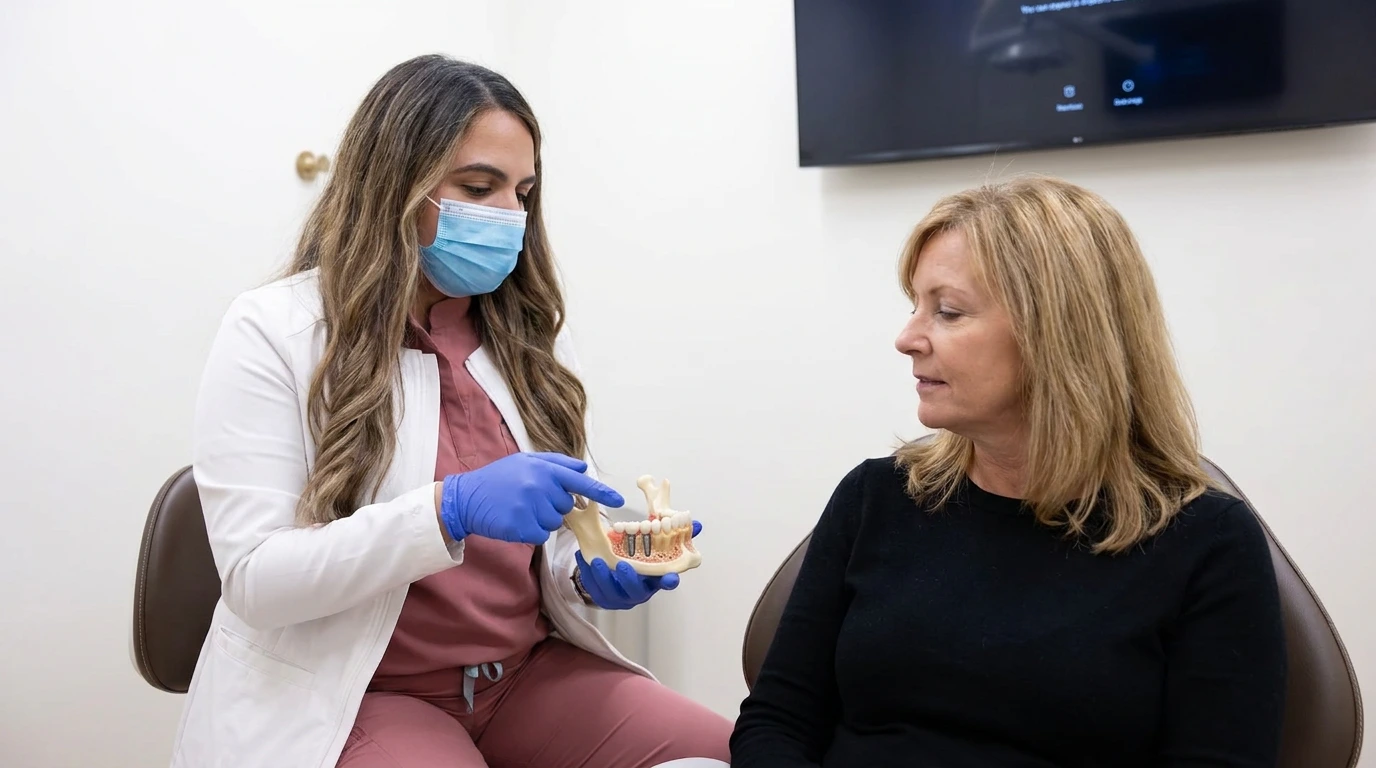
Dr. Alex Franco wears a mask and gloves while showing an anatomical dental implant model to a seated patient in a clinic.

What to Expect During the Fitting Process

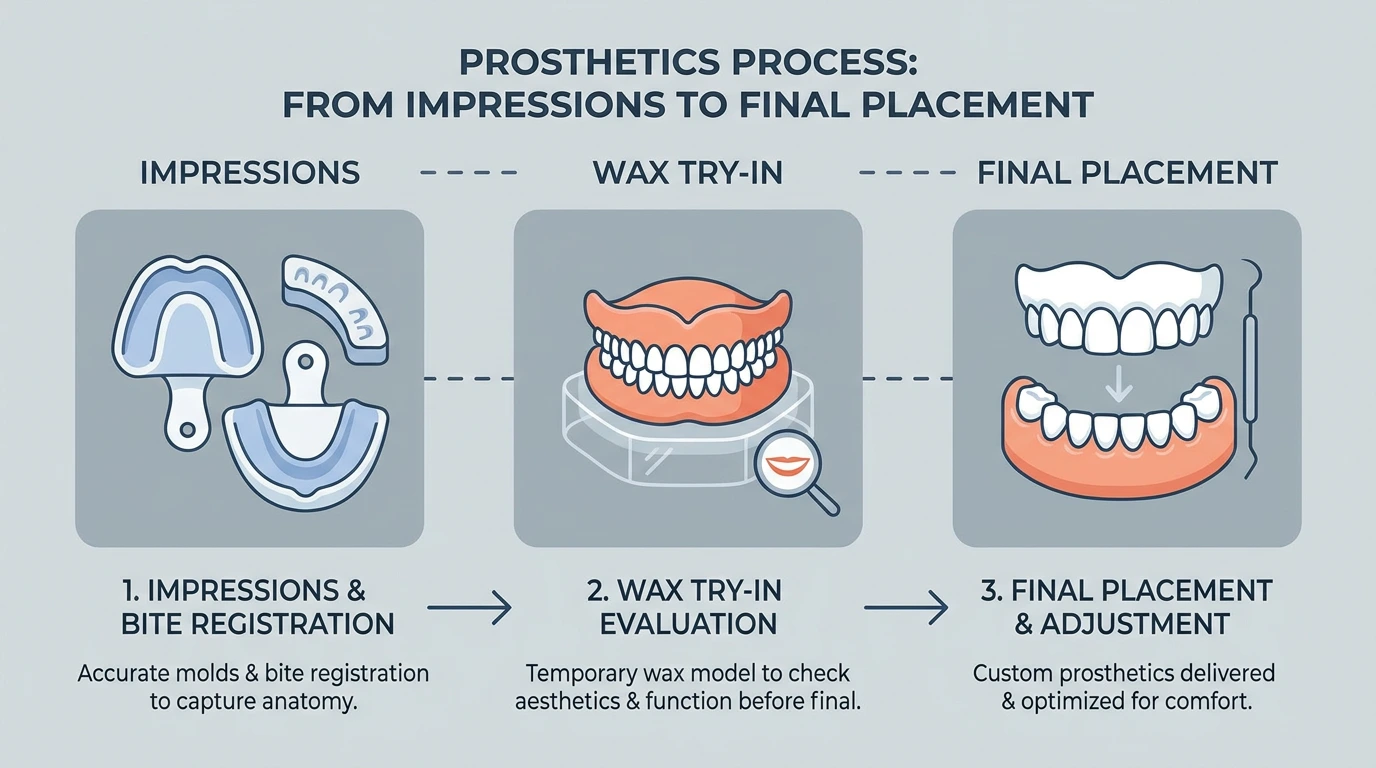
Creating custom prosthetics requires multiple appointments dedicated to impressions, bite registrations, and trial try-ins. This systematic approach helps the final teeth harmonize with facial features, jaw alignment, and speech mechanics.

At Method Modern Dentistry, Dr. Alex Franco took detailed measurements of Ashley’s jaw movements to capture proper bite registration. She examined lip support, tooth shade, and smile contours to design a prosthetic that looked authentic.

Ashley attended a try-in visit where teeth were positioned in temporary wax to evaluate aesthetic balance and phonetics before final processing. This step allowed her to preview her refreshed smile appearance and request minor adjustments before final fabrication.

An infographic illustrates the three-step dental prosthetics process showing impression trays, a wax try-in denture model, and final placement of custom dentures.

How to Care for Your New Prosthetic

Consistent daily hygiene helps protect dental prosthetics from bacterial buildup, staining, and unwanted odors. Proper care also helps safeguard the underlying gums and any remaining natural teeth against inflammation and decay.

Ashley received clear guidance on daily maintenance protocols:

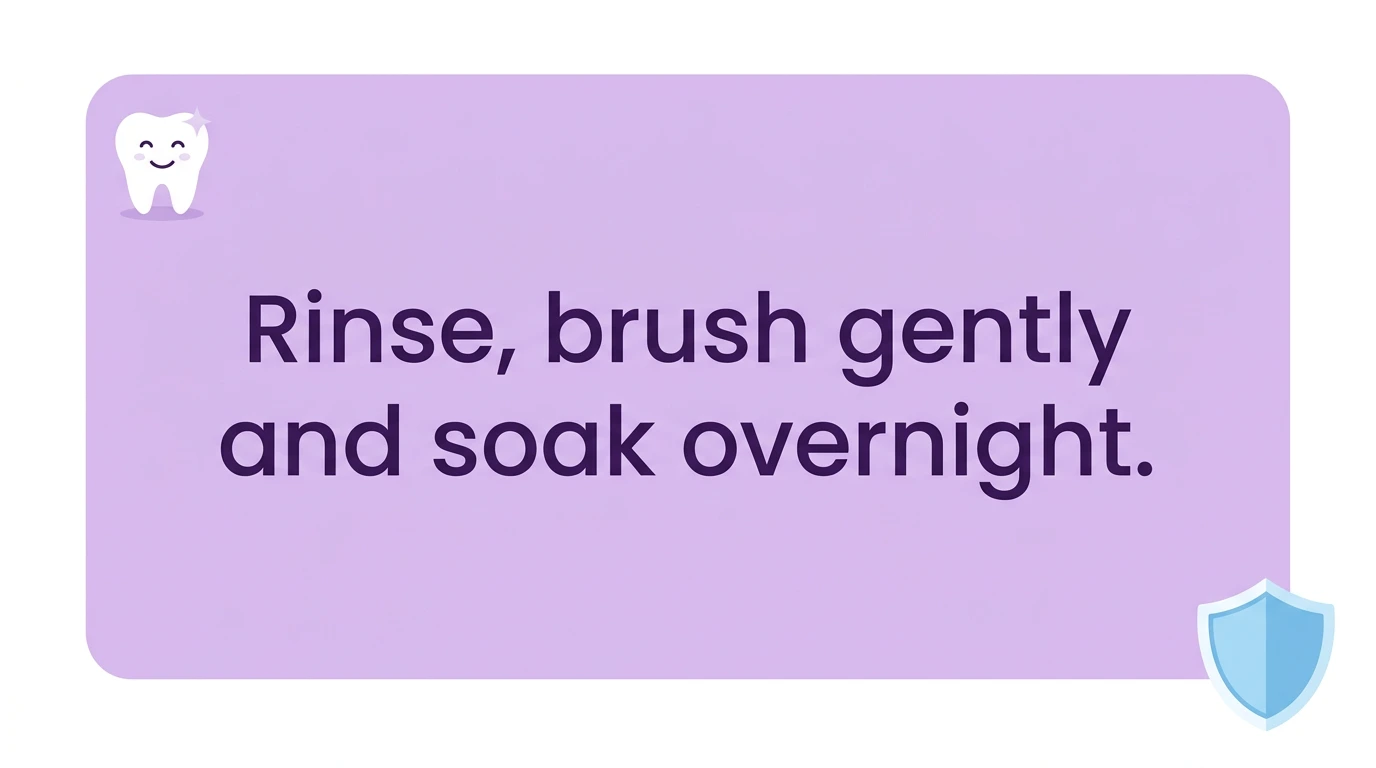
  • Rinse after meals, washing away loose food debris before plaque has an opportunity to accumulate.
  • Brush gently, utilizing a soft-bristled brush and non-abrasive cleaner formulated specifically for dental appliances.
  • Soak overnight, keeping the prosthetic immersed in water or mild soaking solution to help prevent acrylic warping.
  • Clean oral tissues, wiping the gums, tongue, and roof of the mouth daily with a soft cloth or brush.

Dr. Alex Franco emphasized that scheduling regular dental checkups helps the appliance maintain an accurate mucosal fit as oral tissues change.

Lavender callout box reading "Rinse, brush gently and soak overnight," with a smiling tooth and a shield icon.

Reclaiming Everyday Confidence and Comfort

Completing the restoration process brought Ashley a renewed sense of ease in both her personal and professional routines. Eating her favorite meals in Milton restaurants felt natural again, and she spoke at business presentations without worrying about her smile.

Working closely with Dr. Franco helped Ashley choose a prosthetic solution aligned with her values and schedule. Taking the time to understand materials, retention styles, and routine maintenance allowed her to embrace the transition with confidence.

Modern tooth replacement designs can provide far more than aesthetic renewal; they can restore functional comfort and self-assurance. For Ashley, finding the right fit turned out to be an important step toward enjoying every moment of daily life.

A patient smiles and laughs while sharing a meal and drinks with friends at a sunlit outdoor restaurant patio.

Frequently Asked Questions

1. How long does it take to get used to new dentures?
Most patients adjust to speaking and chewing with new dental prosthetics within a few weeks. Practicing reading aloud and eating softer foods initially helps the facial muscles and tongue adapt smoothly. Minor sore spots can be adjusted by your dentist during follow-up visits to establish comfort.

2. Can I eat normally with modern dentures?
Modern dental prosthetics can allow individuals to enjoy a wide variety of nutritious foods. Starting with smaller bites and chewing evenly on both sides helps maintain balance. Implant-supported designs can offer even greater chewing stability for firmer foods like apples, crusty breads, and crisp vegetables.

3. How do I know if I need a partial or full denture?
The choice depends on the health and number of your remaining natural teeth. When healthy teeth remain in the dental arch, a partial appliance can help preserve them while filling gaps. If all natural teeth are missing or compromised, a complete arch replacement or implant-retained prosthetic is usually recommended.

4. Will dentures change how I look and speak?
Custom appliances are designed to support facial muscles, helping prevent the sunken facial profile that often accompanies tooth loss. While speaking may feel slightly unusual for the first few days, speech patterns typically normalize quickly. Dentists carefully craft tooth shape and shade to create an authentic appearance.

5. Do dentures need to be replaced over time?
Dental appliances typically need relining, re-basing, or eventual replacement as the mouth naturally changes shape. Jawbone ridges slowly remodel over time, which affects how an appliance rests against the tissue. Regular visits to your dental practice help monitor fit and oral tissue health.

6. Are implant-supported dentures better than traditional dentures?
Implant-stabilized options can offer advantages in stability, biting strength, and bone preservation compared to traditional removable plates. Because they anchor into the jawbone, they help reduce slipping and the need for adhesives. Traditional styles remain an effective solution for patients seeking non-surgical tooth replacement options.
Connect With Us

Your Personalized Experience Starts Here

We welcome patients aged 18 and up. Reach out and our friendly team will help you find a time that works perfectly for your schedule.

Thank you for booking your appointment!

We’ve received your request and will contact you soon to confirm the details. We look forward to seeing you at Method Modern Dentistry!

Oops! Something went wrong while submitting the form.
LATEST BLOG POSTS

Stay Informed with Expert Insights & Tips About Dental Care

When Tooth Extraction Is the Right Choice

Understanding when tooth extraction is necessary, the procedure, recovery, and replacement options ensures comprehensive oral health and renewed confidence.

What Is Curodont and How Does It Work?

Curodont Repair Fluoride Plus non-invasively treats early-stage tooth decay by promoting natural enamel remineralization, preserving natural tooth structure.

Transform Your Smile With Porcelain Veneers

Porcelain veneers offer a transformative cosmetic solution for chipped, stained, or misaligned teeth, providing a durable and natural-looking smile.