Back to Blogs

When Tooth Extraction Is the Right Choice

Understanding when tooth extraction is necessary, the procedure, recovery, and replacement options ensures comprehensive oral health and renewed confidence.

October 7, 2026
•
2 min read
Brooke, in a pink blouse, holds a white towel to her left cheek and sips from a white mug, wincing, at a wooden kitchen table.
Back to Blogs

When Tooth Extraction Is the Right Choice

Brooke, in a pink blouse, holds a white towel to her left cheek and sips from a white mug, wincing, at a wooden kitchen table.

Understanding when tooth extraction is necessary, the procedure, recovery, and replacement options ensures comprehensive oral health and renewed confidence.

October 7, 2026
•
2 min read

When Is Tooth Extraction Necessary?

Sometimes, despite our best efforts, a tooth may reach a point where extraction becomes the most beneficial path for a patient's overall oral health. While Dr. Alex Franco and her team at Method Modern Dentistry prioritize saving natural teeth whenever possible, there are specific circumstances where removal is the clearest, most effective solution.

This approach ensures long-term comfort and prevents further complications. Brooke, a woman in her early 40s, recently visited Method Modern Dentistry with increasing discomfort. She had been diligently brushing and flossing, but a persistent ache in her back molar grew concerning. Brooke was anxious about the idea of losing a tooth, having always associated extractions with significant problems.

Her goal was clear: understand if her tooth could be saved or if extraction was truly her only option. Dr. Franco explained that considering the full clinical picture is always paramount in these decisions.
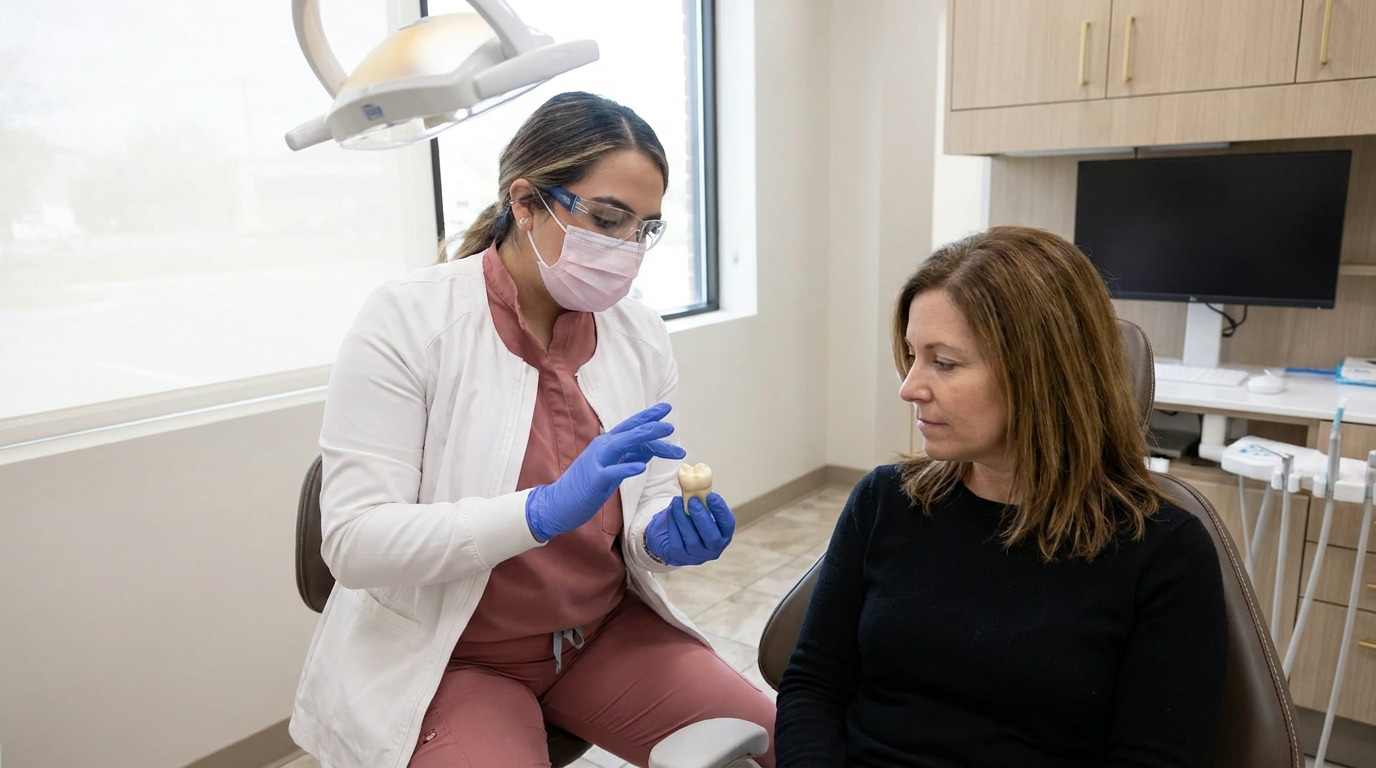
A dentist in a white lab coat, pink scrubs, mask, and safety glasses holds a tooth model while speaking to a patient in a black shirt sitting in a dental chair.

Why Is Tooth Extraction Needed?

Tooth extraction is a procedure often recommended when a tooth is compromised beyond repair by other dental interventions. The decision to remove a tooth is never made lightly at Method Modern Dentistry, always following a thorough examination by Dr. Franco.

She carefully assesses the tooth's condition, the surrounding bone structure, and the potential impact on adjacent teeth. Brooke's initial examination revealed significant decay that had penetrated deep into her molar. The infection was extensive, causing the surrounding gum tissue to swell and become tender.

Dr. Franco reviewed imaging that showed the decay had severely weakened the tooth's structure, making a filling or even a crown unlikely to succeed. She explained the primary reasons why extraction might be necessary, ensuring Brooke understood her specific situation.

  • Severe Decay or Infection: When a cavity is too large, or an infection has spread extensively, the tooth can become irreparable.
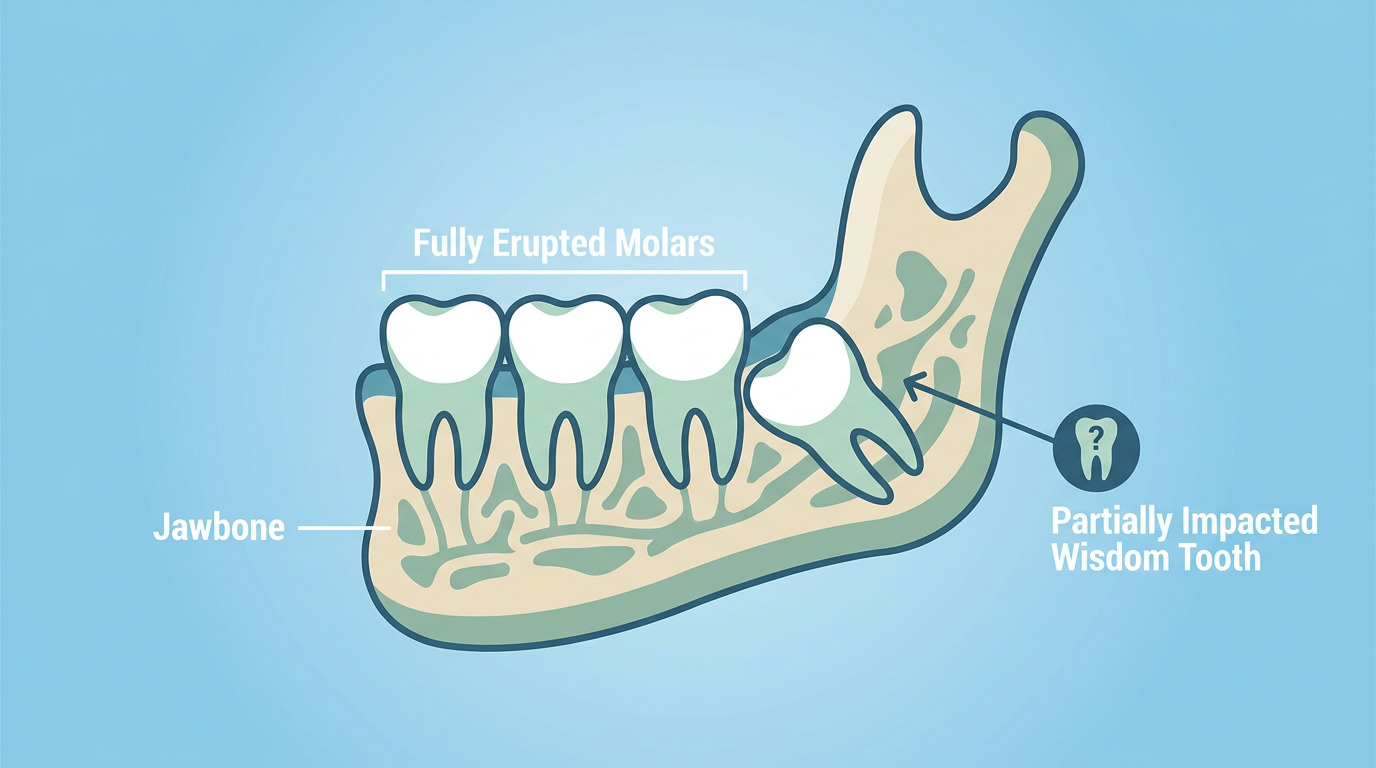
  • Impaction: Often seen with wisdom teeth, impaction occurs when a tooth cannot fully erupt, leading to pain, infection, or damage to neighboring teeth.
  • Crowding: In some cases, to prepare for orthodontic treatment like Invisalign®, teeth may need removal to create space.
  • Trauma: A tooth suffering a severe fracture below the gum line might not be restorable.
  • Periodontal Disease: Advanced gum disease can cause teeth to loosen significantly, making them unsalvageable.
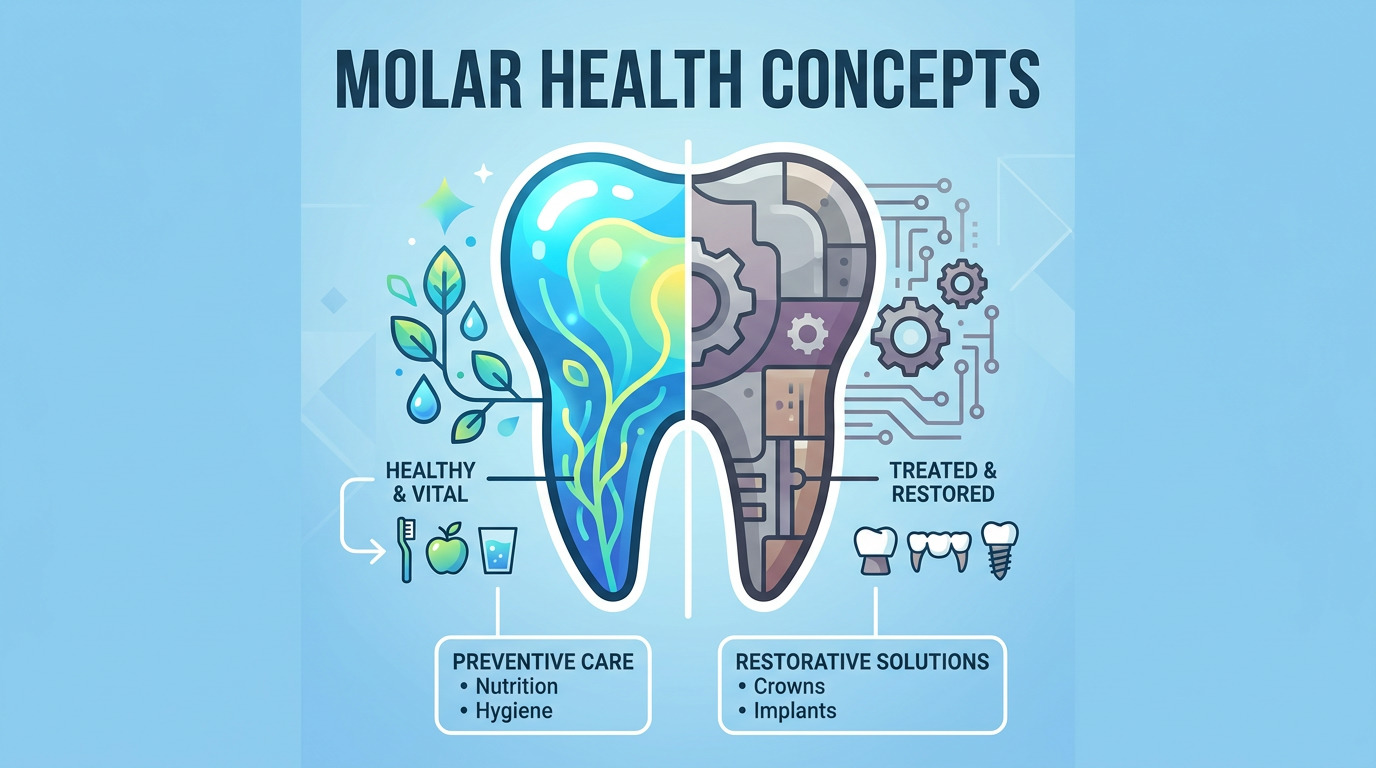
An illustration of a molar tooth split into two halves: one vibrant and healthy with plant elements, and the other mechanical and restored with gears. Text lists preventive care and restorative solutions.

What Happens During Extraction?

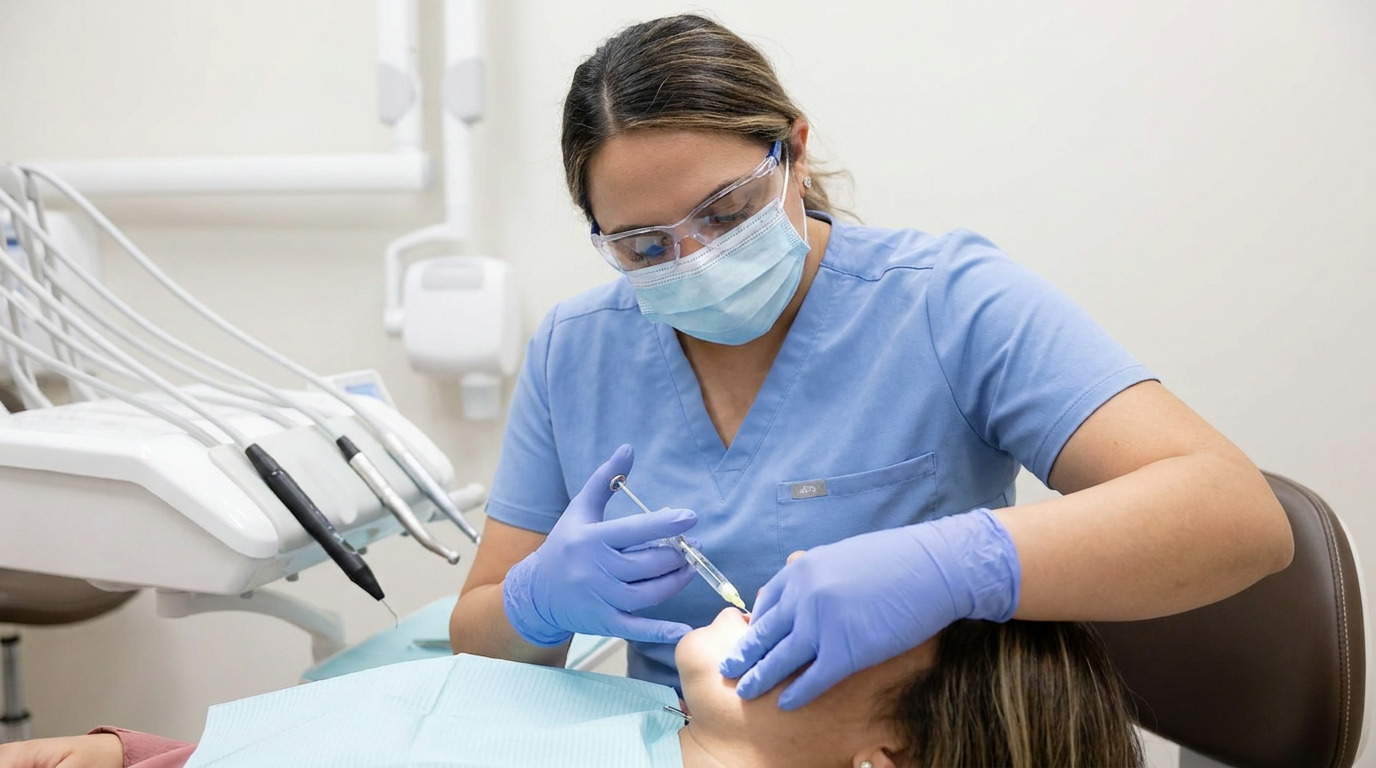
The tooth extraction process is performed with careful consideration for patient comfort, ensuring a virtually pain-free experience. Dr. Alex Franco and her team first thoroughly numb the area around the tooth with a local anesthetic. Patients often report feeling pressure during the procedure, but no sharp pain.

Brooke was understandably nervous, so Dr. Franco calmly walked her through each step. She described how she would gently loosen the tooth from its socket using specialized instruments. This approach minimizes trauma to the surrounding tissues and bone, which is crucial for a smooth recovery.

For more complex cases, such as an impacted wisdom tooth, a small incision might be needed in the gum tissue. This allows for easier access to the tooth, sometimes requiring the tooth to be removed in smaller sections. After the tooth is out, a small amount of gauze is placed to help a blood clot form, which is vital for healing.

  • Anesthesia: Local anesthetic ensures the area is completely numb.
  • Gentle Loosening: Dr. Franco carefully loosens the tooth with specialized tools.
  • Tooth Removal: The tooth is gently extracted from its socket.
  • Post-Extraction Care: Gauze is placed to encourage blood clot formation, essential for healing.
  • Stitches (if needed): Dissolvable stitches might be used to close the gum, particularly after surgical extractions.
A dental professional in blue scrubs, mask, and safety glasses, wearing blue gloves, administers an injection to a patient lying in a dental chair, with dental equipment visible nearby.

Recovery After Tooth Extraction

Recovery after a tooth extraction is a crucial phase, and following Dr. Alex Franco's post-operative instructions carefully will ensure the best outcome. Patients typically experience some swelling and mild discomfort for a few days, which can usually be managed with over-the-counter pain relievers.

Applying an ice pack intermittently to the cheek can also help reduce swelling. Brooke received detailed instructions on what to do after her extraction. Dr. Franco emphasized the importance of keeping the gauze in place for the recommended time to promote a stable blood clot.

This clot protects the underlying bone and nerves and is fundamental to preventing a "dry socket," a painful complication. Patients are advised to avoid strenuous activities, spitting, or using straws for the first 24-48 hours. These actions can dislodge the crucial blood clot, delaying healing. Eating soft foods and maintaining good oral hygiene around the extraction site, while avoiding direct brushing, are also important.

A person reclines on a sofa, holding a blue ice pack to their cheek, wearing a light blue sweater and jeans, in a living room with a blurred armchair and plant in the background.

Schedule Your Consultation Today

If you're experiencing dental pain or have questions about the health of your teeth, it's time to speak with a professional. Contact Method Modern Dentistry today to schedule a comprehensive evaluation with Dr. Alex Franco. She will assess your specific needs and discuss the best treatment options to restore your comfort and smile.

Wisdom Teeth: Common Reason for Extraction

Wisdom teeth, or third molars, are a very common reason for tooth extraction, often becoming problematic in late adolescence or early adulthood. Many individuals lack sufficient space in their jaws for these teeth to erupt properly, leading to impaction. When wisdom teeth are impacted, they can cause a host of issues, including pain, infection, and even damage to adjacent healthy teeth.

Brooke remembered her younger brother, another patient, having his wisdom teeth removed years ago, which had eased her mind slightly about her own procedure. Dr. Franco explained that for someone like Brooke's brother, early removal prevented future complications. Impacted wisdom teeth can also create hard-to-clean areas, making them susceptible to decay and gum disease.

Proactive removal of troublesome wisdom teeth is often recommended to prevent these issues from developing. Dr. Franco frequently assesses wisdom teeth during routine preventative dental care appointments.

  • Pain and Swelling: Impacted wisdom teeth can cause chronic discomfort.
  • Infection: Partially erupted wisdom teeth are prone to infection due to food and bacteria accumulation.
  • Damage to Neighboring Teeth: They can push against and damage adjacent molars.
  • Cyst Formation: In rare cases, cysts can form around impacted wisdom teeth, requiring surgical removal.
  • Orthodontic Complications: They can interfere with or undo previous orthodontic work.
An illustration of a jawbone shows four fully erupted molars and a partially impacted wisdom tooth at the back, with text labels.

Options After Tooth Extraction

Once a tooth is extracted, especially in a visible area or one critical for chewing, considering replacement options is important for long-term oral health and function. Leaving a gap can lead to shifting of adjacent teeth, bone loss in the jaw, and difficulty with biting and speaking. Dr. Alex Franco discussed these considerations with Brooke, as her molar was an important chewing tooth.

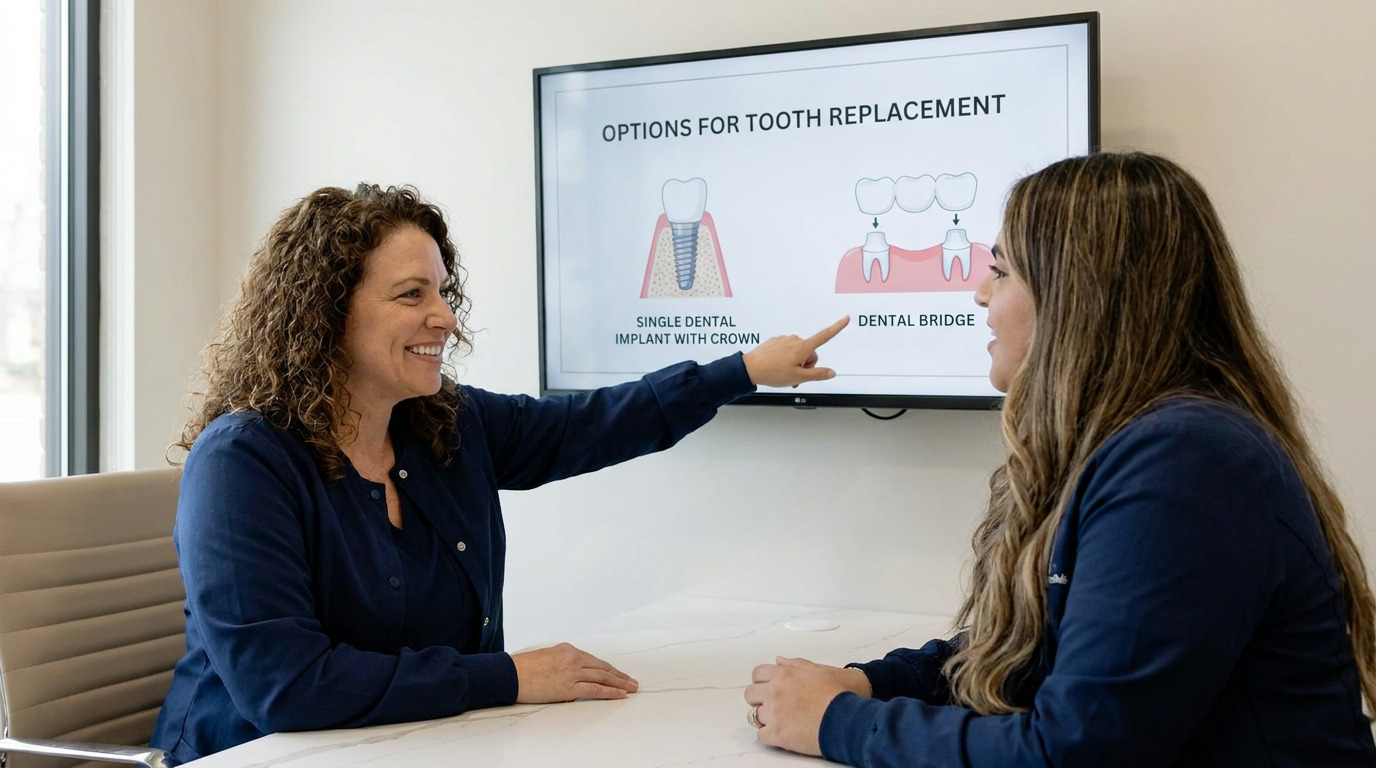
Brooke learned about various options available at Method Modern Dentistry. For instance, single tooth implants are a popular and durable solution, replacing the tooth root and providing a stable foundation for a crown. They feel and function much like natural teeth. Another option is a dental bridge, which uses adjacent teeth to support a false tooth in the gap.

She also mentioned dentures as a possibility for multiple missing teeth, or even full mouth implants for more extensive needs. The best choice depends on individual circumstances, bone health, and aesthetic preferences. Dr. Franco tailors her recommendations to each patient's unique needs, ensuring a comprehensive treatment plan.

Dr. Alex Franco, in a dark blue clinical jacket, points to a screen showing "Options for Tooth Replacement" diagrams, while Brooke looks on.

Maintaining Oral Health After Extraction

Maintaining meticulous oral hygiene after a tooth extraction, and especially after replacement, is paramount to the longevity of any dental work and overall oral health. Even after a tooth is removed, the remaining teeth require diligent care to prevent further issues. Dr. Alex Franco stresses that this commitment to daily care is non-negotiable for lasting results.

Brooke decided to move forward with a single tooth implant to replace her troubled molar. She understood that this decision was not just about fixing one tooth but about investing in her entire smile's future. Dr. Franco emphasized that even with an implant, consistent brushing, flossing, and regular dental check-ups are essential.

These practices help prevent gum disease around existing teeth and maintain the health of the tissues supporting the implant. Skipping routine visits allows minor issues to escalate into more significant problems, which is something Method Modern Dentistry aims to help patients avoid through proactive care.

  • Brush Twice Daily: Use a soft-bristled toothbrush to clean all tooth surfaces gently.
  • Floss Daily: Clean between teeth to remove plaque and food particles that brushing misses.
  • Regular Check-ups: Schedule routine visits with Dr. Alex Franco for professional cleanings and examinations.
  • Healthy Diet: Limit sugary and acidic foods and drinks to protect tooth enamel.
  • Avoid Tobacco: Tobacco products significantly increase the risk of gum disease and can impede healing.
A clear toothbrush with white bristles, a container of white dental floss, and a glass of water sit on a white counter next to a green potted succulent plant.

A Path to Renewed Oral Health

The decision to extract a tooth is a significant one, often approached with a mix of apprehension and hope. For patients like Brooke, understanding the necessity and the subsequent path to recovery and replacement transforms fear into informed confidence.

Dr. Alex Franco and her dedicated team at Method Modern Dentistry believe in empowering their patients with clear information and compassionate care every step of the way. Brooke's journey from discomfort to a comprehensive treatment plan for a dental implant highlights the practice's patient-centered philosophy.

She appreciated the thorough explanations and the range of options presented, allowing her to make the best decision for her long-term oral well-being. What began as a troubling toothache evolved into an opportunity for a stronger, healthier smile. Ultimately, extraction, when recommended, is not an ending but a necessary step towards maintaining overall oral health. It clears the way for solutions that restore function and aesthetics, ensuring patients can chew comfortably, speak clearly, and smile confidently again. The team in Alpharetta, Milton, and Roswell is committed to guiding each patient through this process with expertise and genuine care.

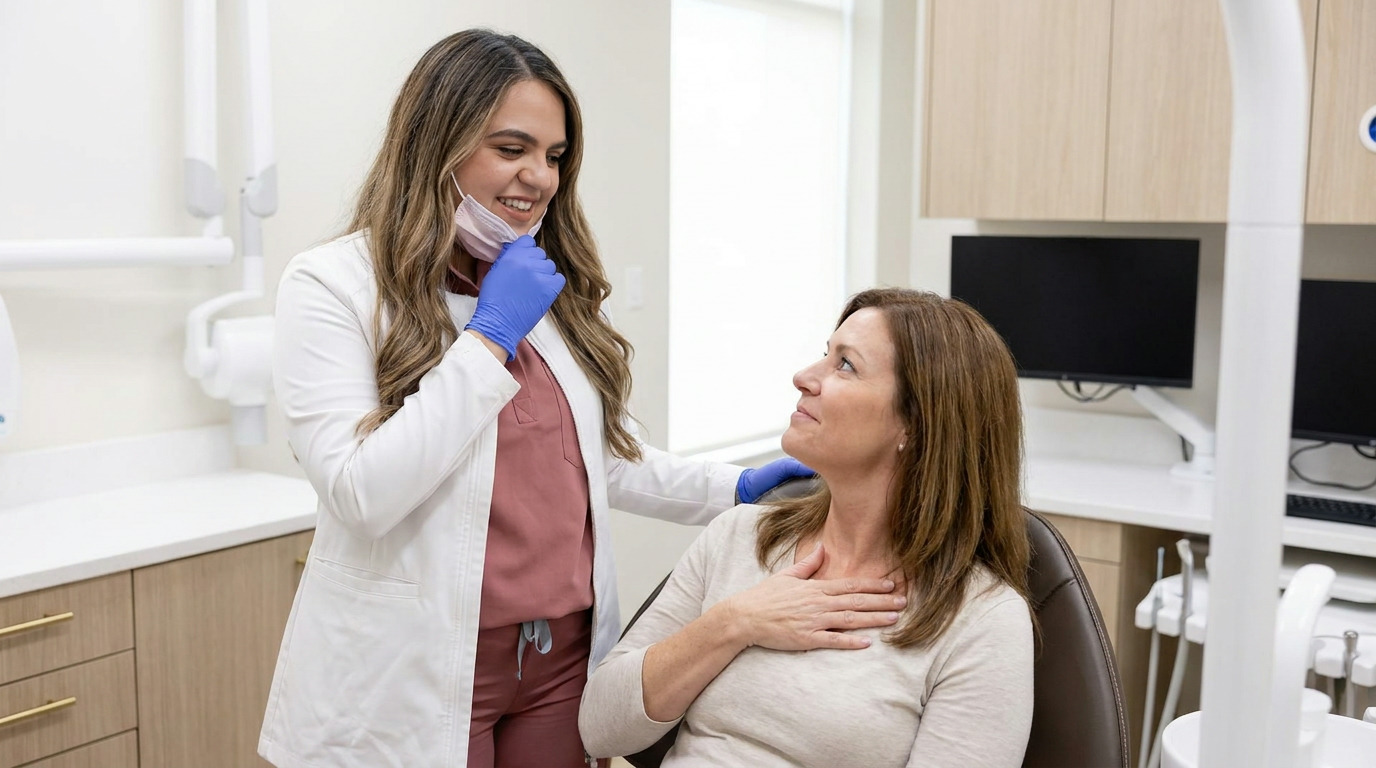
Dr. Alex Franco, wearing a white lab coat and blue gloves, stands smiling at Brooke, who sits in a dental chair with her hand on her chest, in a bright dental office.

Frequently Asked Questions

1. Is tooth extraction always painful?
While you might feel pressure, the area will be completely numbed with local anesthetic, ensuring the procedure itself is virtually pain-free. Dr. Franco prioritizes patient comfort throughout the entire process.

2. How long does it take to recover from a tooth extraction?
Most patients experience mild discomfort and swelling for 1-3 days. Full recovery of the soft tissues typically takes 1-2 weeks, with bone healing continuing over several months.

3. Can I eat normally after a tooth extraction?
For the first 24-48 hours, it's best to stick to soft foods and avoid chewing directly on the extraction site. Gradually reintroduce normal foods as comfort allows, avoiding crunchy or very hot items initially.

4. What is a dry socket?
A dry socket occurs when the blood clot that forms in the empty tooth socket dislodges or dissolves prematurely. This exposes the bone and nerves, leading to pain. Following post-operative instructions carefully helps prevent this.

5. When should I consider replacing an extracted tooth?
Dr. Franco generally recommends replacing extracted teeth, especially those visible or critical for chewing, to prevent shifting of adjacent teeth, bone loss, and maintain proper bite alignment. Options like implants or bridges are often discussed.

6. Are wisdom teeth extractions different from regular extractions?
Wisdom teeth extractions are common and can sometimes be more complex, particularly if they are impacted (unable to fully erupt). The process is similar, but may involve a small incision or dividing the tooth into sections for easier removal.

Connect With Us

Your Personalized Experience Starts Here

We welcome patients aged 18 and up. Reach out and our friendly team will help you find a time that works perfectly for your schedule.

Thank you for booking your appointment!

We’ve received your request and will contact you soon to confirm the details. We look forward to seeing you at Method Modern Dentistry!

Oops! Something went wrong while submitting the form.
LATEST BLOG POSTS

Stay Informed with Expert Insights & Tips About Dental Care

What Is Curodont and How Does It Work?

Curodont Repair Fluoride Plus non-invasively treats early-stage tooth decay by promoting natural enamel remineralization, preserving natural tooth structure.

Transform Your Smile With Porcelain Veneers

Porcelain veneers offer a transformative cosmetic solution for chipped, stained, or misaligned teeth, providing a durable and natural-looking smile.

Experiencing Modern Dentistry in Alpharetta

Experience modern dentistry in Alpharetta, where advanced technology meets personalized, compassionate care for a truly comfortable patient journey.